Decoding enhanced whitening material implies a comprehensive analysis of its traits. This distinctive compound is generally executed in the refining of vegetable oils, adeptly eradicating contaminants. The conversion approach typically involves electrical treatment, strengthening its adsorption potential to bind colored molecules. To sum up, this brief will explore the mechanism behind activated bleaching earth and its utilizations.
Purifying Compound Sources: Securing the Perfect Associate
Establishing a established firm of bleaching earth is essential for many sectors, particularly those involved in hydrocarbon cleaning. Determining the fitting distributor requires exhaustive consideration beyond just valuation. Consider their proficiency in bleaching earth supply, their quality control procedures, and their efficiency to consistently deliver your supply needs. A sound bleaching earth distributor will also offer assistance and a array of formulations to match your particular application.
A Science Behind Improved Refining Aggregate
Refined bleaching material, a cornerstone of the refining operation for edible oils, functions through a fascinating composition of material and chemical processes. Initially, naturally occurring montmorillonite is activated – a strategy involving heat and elements – to drastically increase its surface expanse. This expanded surface allows an immense number of sites for the particular adsorption of color pigments, undesirables, and negative odor compounds. The mechanism is primarily adsorption, where molecules are held by weak van der Waals associations, though some bonding adsorption can also arise with certain substances. This results as a consequence of a significant lowering of color and enhancement of the oil's display and bouquet.
Refining Element - Qualities and Functions
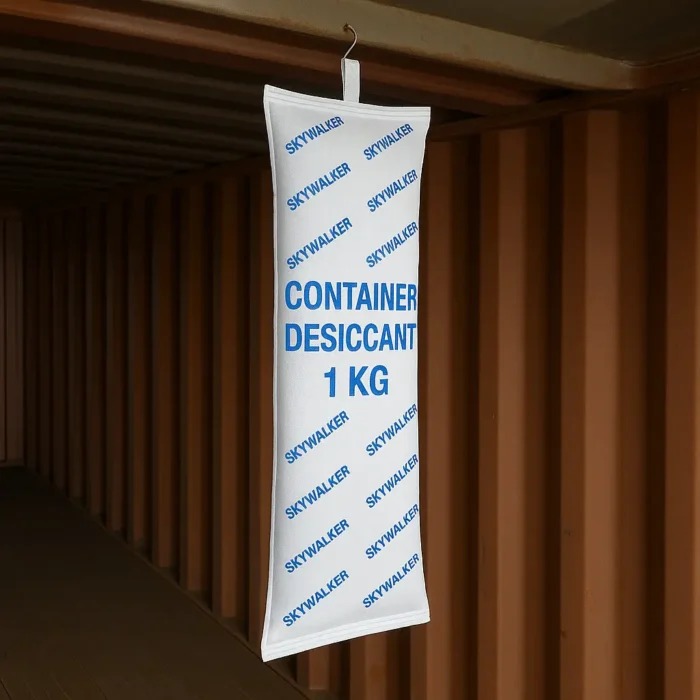
Detoxifying compound, frequently known soft white clay, shows unique properties that justify it extremely desirable across diverse range of businesses. Its main attribute is its noteworthy pallor, coming from its reduced inclusion quantity. This element enables it advantageous for purposes warranting a radiant view. Apart from its tinge, purifying soil is generally malleable and possesses remarkable plasticity, empowering it to be effectively formed. Regular uses involve production creation, resin strengthening, therapeutic blends, beauty materials, and as an dehydrating material in different fabrication techniques. Likewise, it finds implementation in pottery and lacquer domains.
Selecting the Right Enhanced Detoxifying Clay for Individual Purposes
Electing the correct refining material can be a intricate activity, as different applications necessitate particular properties. Appraise the form of fluid you’re treating; some materials are optimal for botanical oils, while alternative types are customized towards nutritional fats. Criteria like granularity and purification potential notably influence palm oil bleaching earth performance.
- Assess the hue and scent level of the input to identify the essential purification extent.
- Analyze the spread; micro-sized particles generally furnish increased surface area, but may cause clarification challenges.
- Grasp the water level as it impacts the substance’s adsorptive power.
Purifying Substance: Processing Processes and Evaluation
The development of bleaching earth, a widely utilized element for oil refining and chemical purification, involves several key stages. Initially, montmorillonite is mined and then subjected to alteration via heat influence and/or chemical transformation. This method enhances the absorbing properties of the aggregate. Next, rigorous grade screenings are implemented, consisting of assessments of grain size orientation, fuel adsorption potential, and hydration degree. Modern analytical systems, such as porosity analysis analysis and standardized testing, are engaged to confirm a predictable good that satisfies stringent provisions.
Green Sourcing of Treated Bleaching Compound
The growing demand for activated bleaching earth presents a key challenge regarding its harvesting and environmental repercussion. Classic sourcing methods can induce habitat damage and attrition of natural resources. Consequently, a change towards sustainable sourcing is paramount. This involves promoting practices like reforestation of mined areas, repurposing waste materials from other industries for fabrication, and supporting community-based communities to protect ethical and sustainable mining conduct. Furthermore, endorsement schemes and detailed inspection processes are crucial to verify that the substance is harvested in a truly eco-friendly manner. Issues should also include reducing electricity consumption during operation and liquid usage.
- Revegetation efforts
- Capitalizing on waste materials
- Partnering with local communities
- Accreditation schemes
Clarifying Clay Distributor Registry: Top Providers Classified
Obtaining a reliable earth distributor can be a issue, but our comprehensive compilation aims to ease the process. We’ve meticulously accumulated data and indexed leading companies in the bleaching earth sector. This overview highlights important producers known for their merit and backing, allowing buyers to identify the top source for their individual needs. Countless factors, including production capacity, offering, and ratings, were analyzed in determining these preferred ratings.
Interpreting Activated Bleaching Earth Performance Metrics
To skillfully estimate the quality of activated bleaching earth, it’s important to grasp key technical metrics. These values often include color value, typically measured using a device, which shows the earth’s ability to reduce color from oils. Moreover, acid level is vital, as it impacts the bleaching process; a higher degree usually corresponds with improved clarification capabilities. Finally, porous area, often calculated via BET analysis, significantly impacts the earth’s capacity to bind colorants, ultimately influencing its overall decolorizing power.