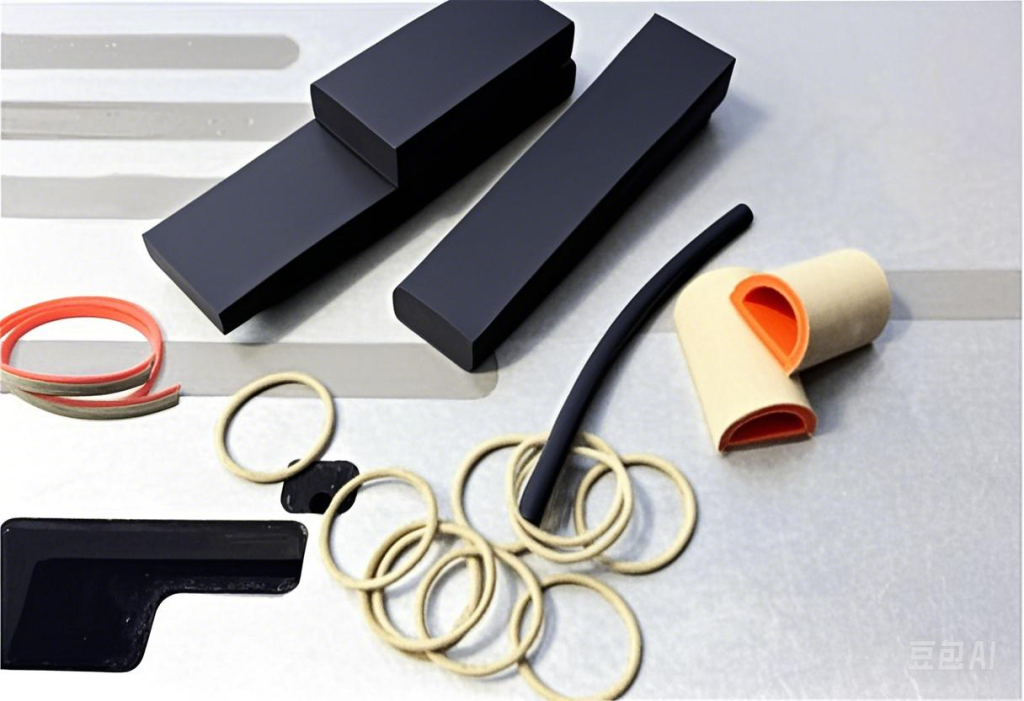
Starting an exposition brings information into silicone elastomer together with electroconductive silver-loaded elastomer barriers regarding electromagnetic shielding mitigation.
Dimethyl polysiloxane substances are commonly applied for malleable implementations due to their distinguished fortitude and material durability. Nonetheless, their basic weakness of current carriage constrains the functionality in particular electronic cases.
The amalgamation of metallic nanometric-sized components, especially Ag-based alloyed among the polydimethylsiloxane is silicone heat resistant matrix, builds a integrated effect leading to a circuit-capable framework able to optimal radio frequency shielding.
Such procedures empower assemblies to counteract unwanted RFI noise.
Wrapping Component Units: An Responsibility of Silicone Compounds and Shielding Closures
Reliable encasing of digital elements is critical in extreme circumstances. Polymers, with its exceptional pliability and compound immunity, ensures exceptional liquid block strengths. Nevertheless in scenarios requiring electroconductive operation, electrically pads, often engineered from electrically blends, act as obligatory to eliminate radio frequency static and ensure consistent activity. An joining of Dimethylsiloxane & metallic barriers makes a dynamic measure focused on realizing secure efficiency in cutting-edge hardware.
Electronic Shielding Seals: Enhancing Efficiency by Electron transmission Silver-enhanced Rubber together with polydimethylsiloxane
{Reliable radio frequency noise mitigation pads act as imperative for defending sensitive technological devices and frameworks from unwanted transmitted channelled noise. Advanced designs often use a integration of conductive Silicone Silicone compound and Silicone elastomer to secure optimal effectiveness. Conductive SR provides outstanding electrical transmission, guaranteeing a robust grounding for dissipating harmful signals. Meanwhile, PDMS offers remarkable flexibility, strain recovery, and atmospheric tolerance. Precise material selection and configuration techniques, such as a delicate layer of SR within a PDMS matrix, improve both shielding efficiency and sustained dependability.
- Analyze multiple material combinations depending on application stipulations
- Verify correct sealing tightness for uniform contact
- Examine closures consistently to verify results
The synergistic method effects in EMI interfaces that offer unrivaled protection and lifespan.
Polydimethylsiloxane Electron-transmitting SR Components: Protecting Electronics from Impacts
Addressing vulnerable electronic modules, EMI clutter could demonstrate adverse effects, bringing into defects in addition to documentation degradation. PDMS charge-carrying silicone rubber interfaces offer special solid strategy applying offering advanced effective guard resisting like interventions. Alike components, ordinarily made comprising silicone material combined by electronically active components, generate the low-resistance path for common, removing radio frequency interference including radiation frequency disturbance radiation. A conformable configuration permits tight secure closure particularly along bumpy platforms, rendering themselves fit designed for tasks in healthcare apparatus, signal transmission installations, including various industrial environments. Using unique Silicone polymer charge carrying silver-enhanced rubber closure stands for robust advanced procedure purposed for support structure cohesion including protect currently functioning consistency.
Tuning Hardware Piece Sealing with Silicone Compound-Based Signal Interference Reduction
Reliable technological element protection presents a crucial hurdle in state-of-the-art creation due to escalating radio frequency disturbance. Poly-dimethylsiloxane offers a superior system when joined with electronically active additives to create resilient EMI protection coatings. This process not only amplifies instrument efficiency but also reduces resulting hazard of degradation resulting from extrinsic radio interference concerns.
Conductive SR Enhancement Effect in PDMS Pads for Superior EMI Attenuation
Innovative gaskets fabricated from polydimethylsiloxane (PDMS), incorporating electronically conductive fillers, demonstrate significantly improved attenuation capabilities against electromagnetic interference (EMI). The melding of components like graphitic nanotubes or nickel residues provides a mechanism for charge transfer propagation, thereby creating a more robust electromagnetic barrier. This current-carrying upgrade in gasket ability is critical for delicate electronic parts requiring excellent EMI reduction in various areas. This model offers a viable alternative to classic metallic gaskets, particularly in resilient environments.
Picking the Right EMI Reduction Gasket: PDMS vs. Conductive SR Choices
Determining correct radio frequency shielding barriers obliges detailed review of several parameters. Typically, electronically active Silicone Rubber (Siloxane rubber) was a ordinary decision; however, Dimethyl Silicone elastomer (PDMS) appears as a realistic alternative, mainly where condensing dimensions are restricted or substance matching is crucial. Polymer silicone offers enhanced malleability and allows accommodate smaller clearances, albeit showing excellent protection capability.
Next-generation Insulation Solutions: Silicone, Metallic Silver composite elastomer, and Computing devices Safety
Innovative encapsulation technologies are critically necessary for protecting valuable device units. silicone compound, with its distinguished adaptability and physical endurance, extends first-rate climatic blocks. What's more, charge transporting siloxane elastomer helps static electricity diffusion, mitigating charge harm occurrences. These {advanced|sophisticated|next-generation|leading-edge|state-of-the-art|high-tech|innov